The landscape of AI business automation is evolving rapidly, and understanding how AI is transforming business automation begins with looking at the limitations of legacy systems. For years, enterprise efficiency relied heavily on Robotic Process Automation (RPA). We taught systems to follow rigid, step-by-step scripts to handle high-volume, repetitive tasks. It was a massive leap forward, but it came with a hard ceiling: the moment a process encountered an exception, an unstructured document, or a missing data point, the automation broke.
Today, that ceiling is gone. We are moving out of the era of scripted rules and into the era of Agentic AI — a shift that fundamentally redefines enterprise capabilities.
From Rules to Reasoning
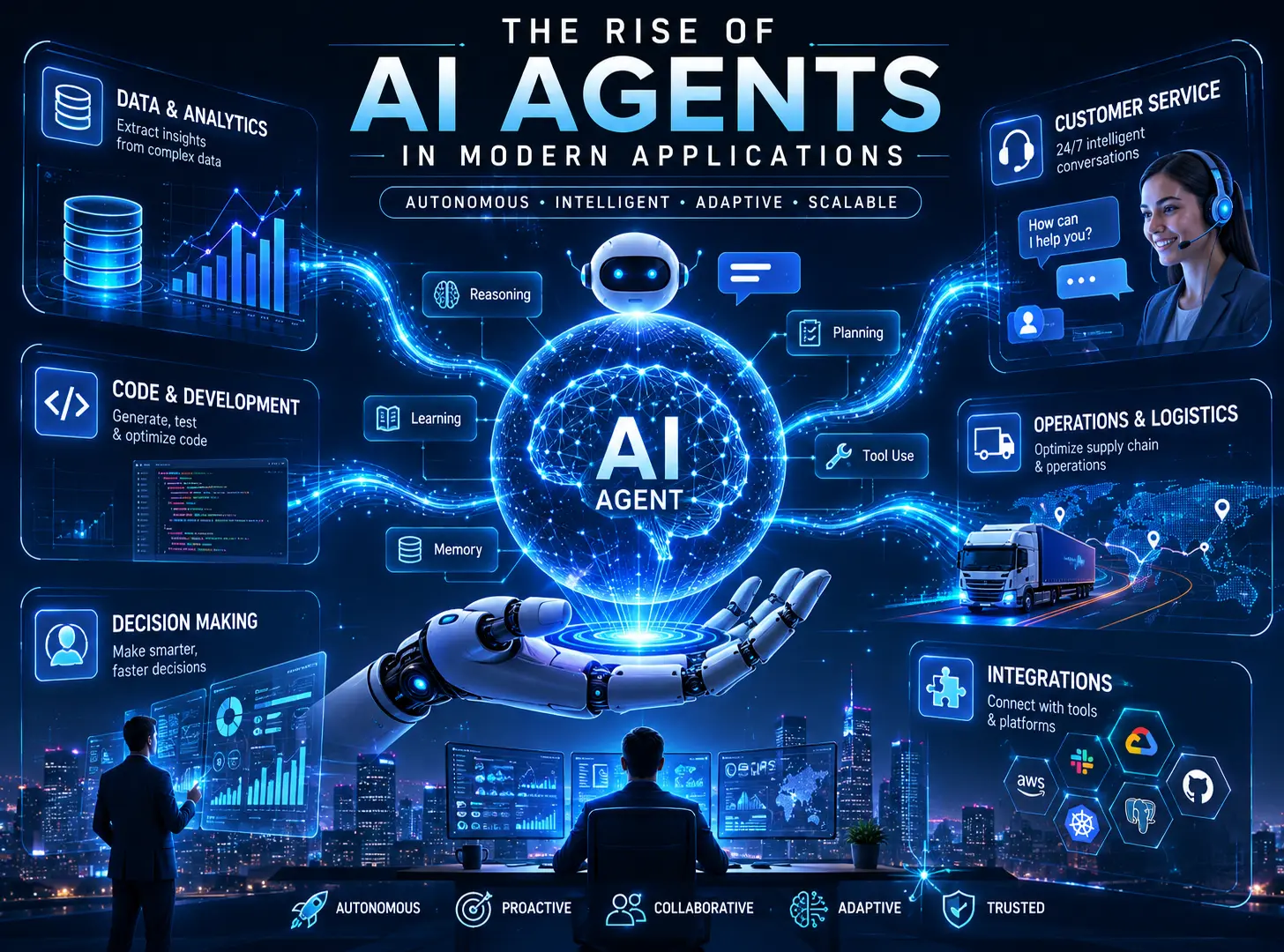
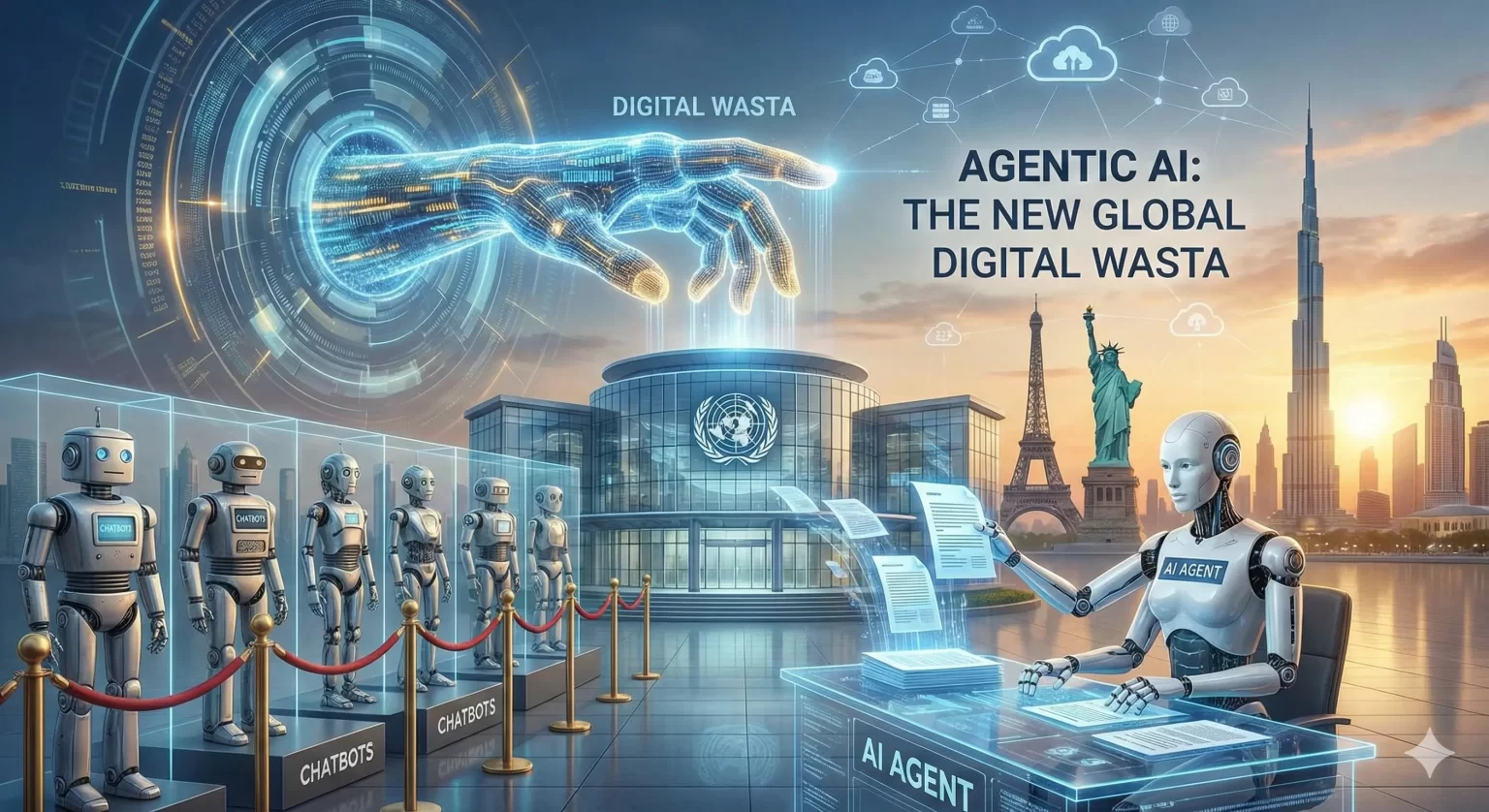
The defining characteristic of modern AI automation is autonomy. Traditional automation requires a human to map every possible pathway. Agentic AI, powered by Large Language Models (LLMs) and Large Action Models (LAMs), only needs a goal.
Instead of waiting for a prompt, an AI agent perceives its environment, reasons through a plan, utilizes enterprise tools (via APIs), and executes the workflow. If it encounters an anomaly, it doesn’t crash; it adapts, loops back, and finds an alternative route to the objective.
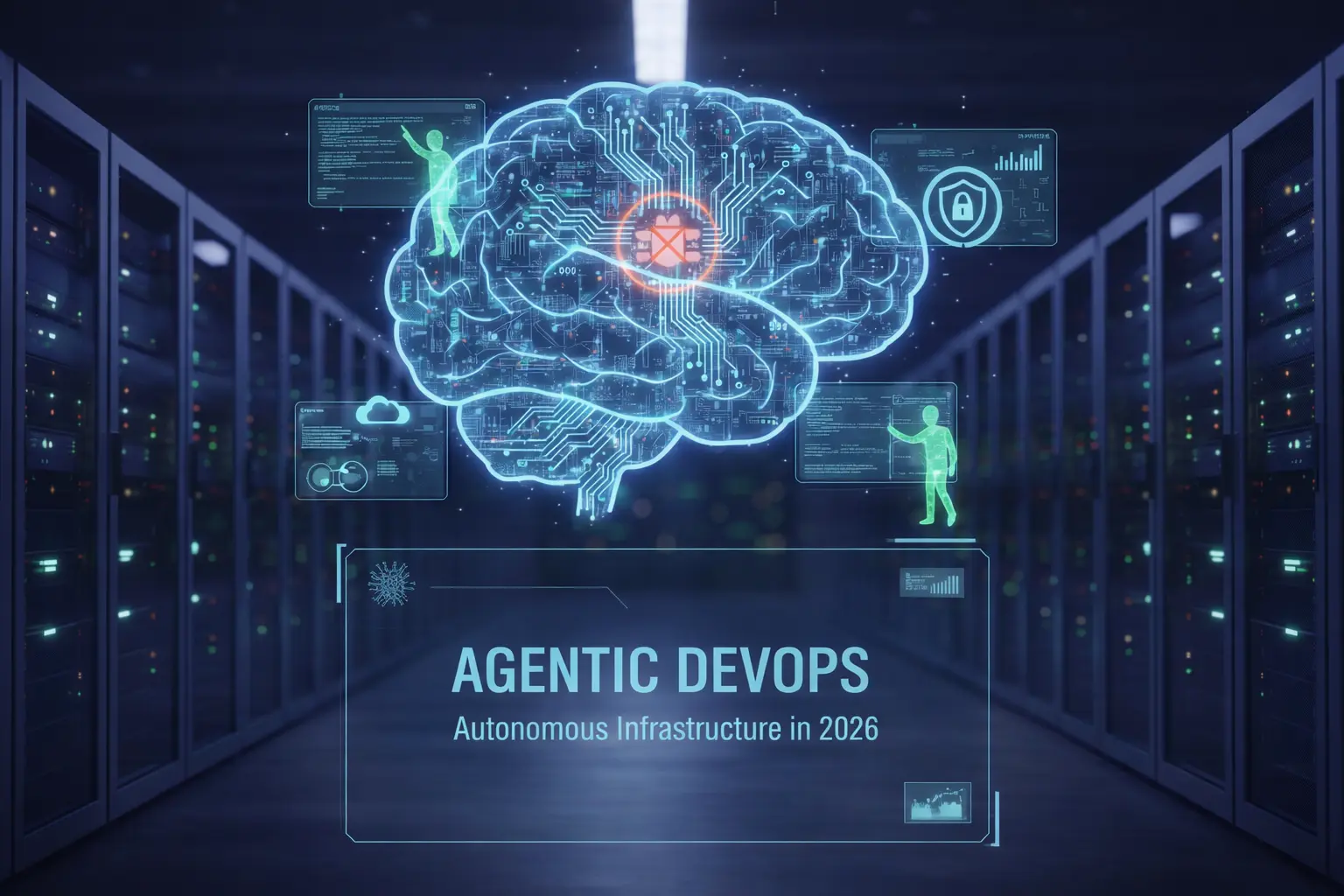
The Rise of Agentic DevOps and LLMOps
As these AI agents become the new digital workforce, the underlying infrastructure must evolve. You cannot run dynamic, multi-agent systems on legacy pipelines. This is where Agentic DevOps and LLMOps become critical.
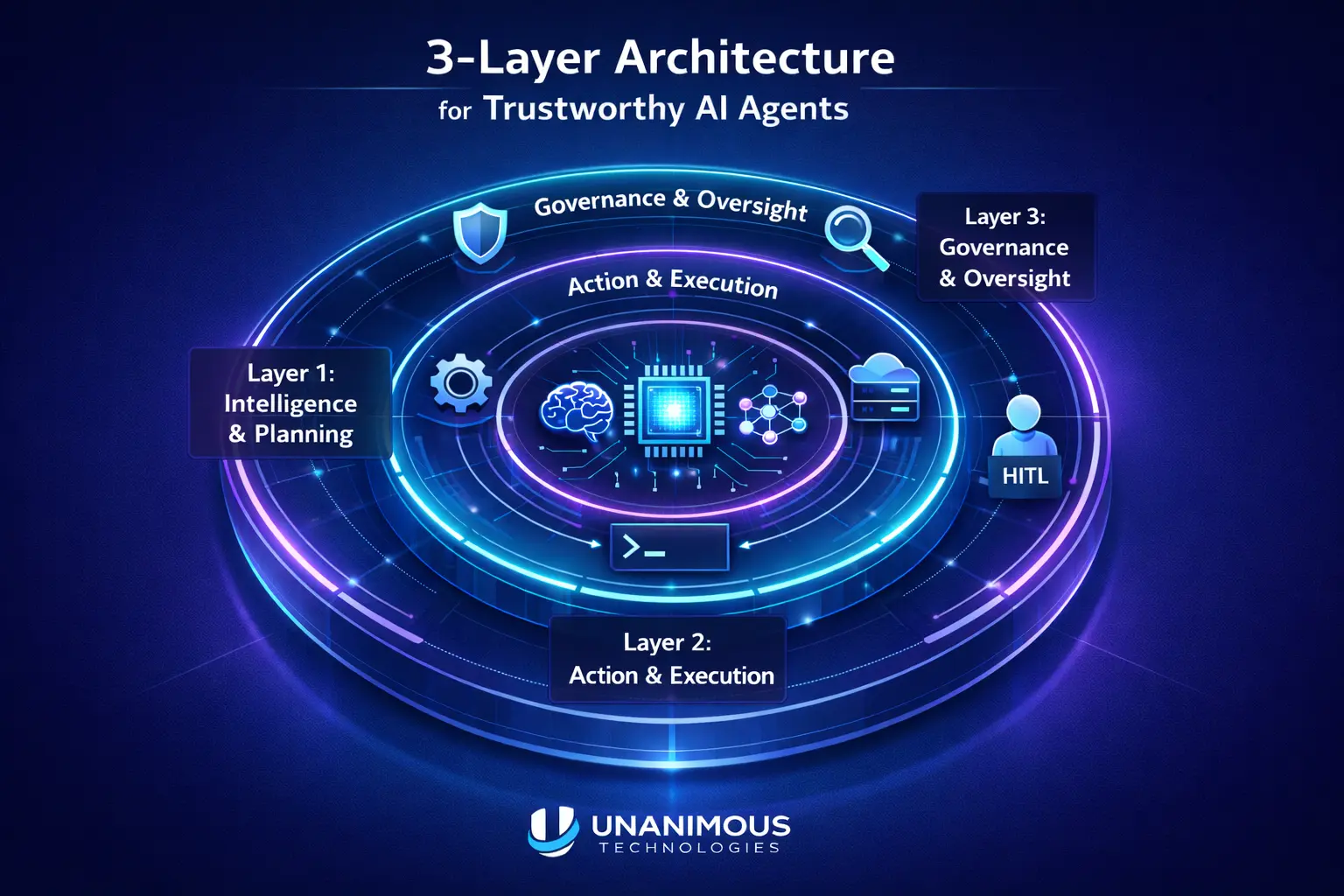
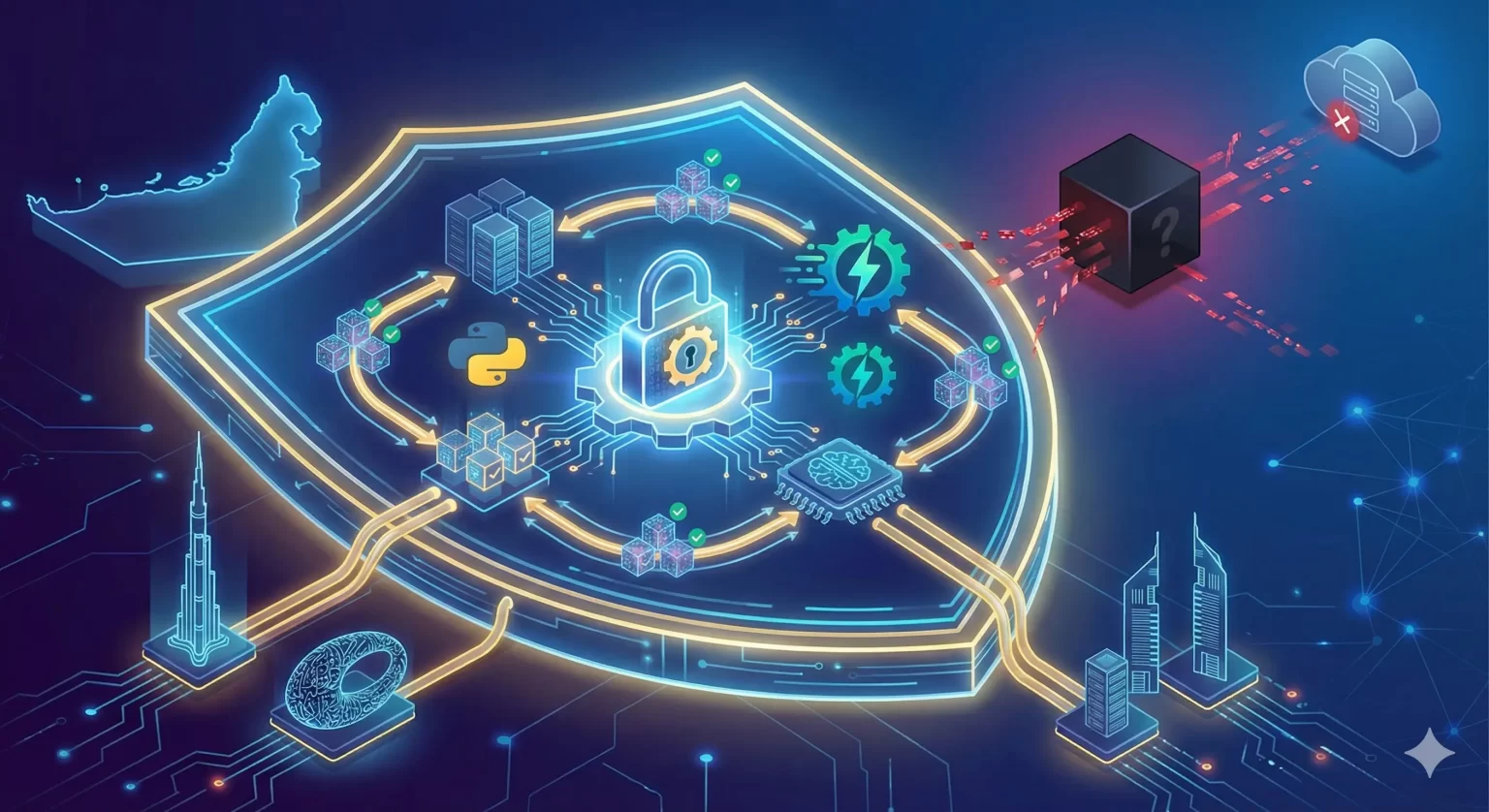
Organizations are building centralized AI hubs—secure environments where AI agents can be developed, tested, and deployed with strict governance. This requires robust infrastructure capable of handling scalable model deployments, managing API integrations, and maintaining continuous observability. Whether you are running localized models for data privacy or leveraging cloud-based platforms, the infrastructure must ensure these agents act within defined guardrails, leaving a clear, auditable trail of every decision they make.
Realizing Enterprise Value with AI Business Automation
The shift to autonomous workflows impacts the bottom line across multiple dimensions:
- Handling the Unpredictable: Agents easily manage workflows involving unstructured data—like parsing complex contracts or dynamically routing customer inquiries based on sentiment.
- Predictive Operations: Instead of reacting to failures, AI automation analyzes historical and real-time data to optimize supply chains and infrastructure before bottlenecks occur.
- Rapid Scaling: Multi-agent systems can scale to handle thousands of concurrent tasks without a proportional increase in overhead, freeing your human workforce to focus on strategy and high-level relationships.
Ready to Orchestrate Your AI Workforce?
The future of business automation belongs to those who build the right infrastructure today. At Unanimous Technologies, we specialize in deploying enterprise-grade Agentic AI, LLMOps, and autonomous DevOps workflows tailored to your specific operational needs.
Stop managing brittle scripts and start governing intelligent agents.
Contact us today to schedule an architecture review and begin your AI transformation.
AI Business Automation FAQs
- What is the main difference between traditional RPA and Agentic AI? Traditional Robotic Process Automation (RPA) requires step-by-step, hardcoded instructions and breaks when it encounters unexpected data or exceptions. Agentic AI is goal-driven. It uses reasoning to navigate roadblocks, handle unstructured data (like emails or PDFs), and dynamically adjust its workflow to complete the task without human intervention.
- How does Agentic DevOps differ from standard DevOps? While traditional DevOps focuses on continuous integration and deployment (CI/CD) of standard software, Agentic DevOps incorporates LLMOps. It is specifically designed to manage the lifecycle of autonomous AI agents—handling prompt versioning, model performance monitoring, API orchestration, and strict governance to ensure the AI behaves predictably in production.
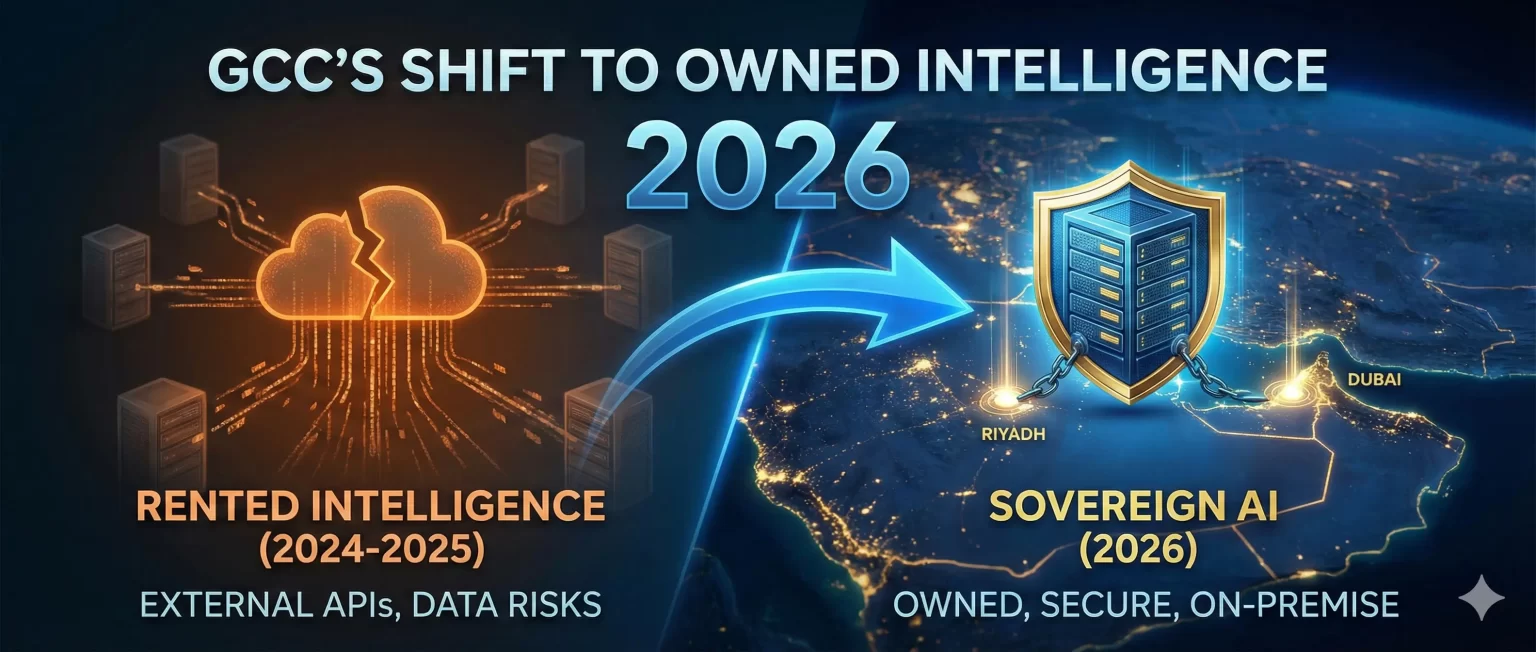
- Is our enterprise data secure when using autonomous AI workflows? Yes, provided the right infrastructure is in place. By utilizing private cloud environments, localized model deployments (such as running models on custom hardware), and robust LLMOps governance, organizations can ensure AI agents operate within strict guardrails. This keeps proprietary data secure and prevents it from being used to train public models.
- Will Agentic AI replace my human workforce? Agentic AI is designed to act as a digital co-worker rather than a replacement. By taking over complex, data-heavy, and repetitive tasks, it elevates your human workforce. Employees transition from operating processes to governing outcomes, freeing them to focus on strategic decision-making, creative problem-solving, and high-value client relationships.
- How long does it take to implement an Agentic AI workflow? Timelines vary based on the complexity of the process and your existing data infrastructure. A targeted proof-of-concept (PoC) for a specific workflow can often be deployed in a few weeks, while enterprise-wide AI orchestration with full LLMOps integration is a phased, multi-month architectural transformation.