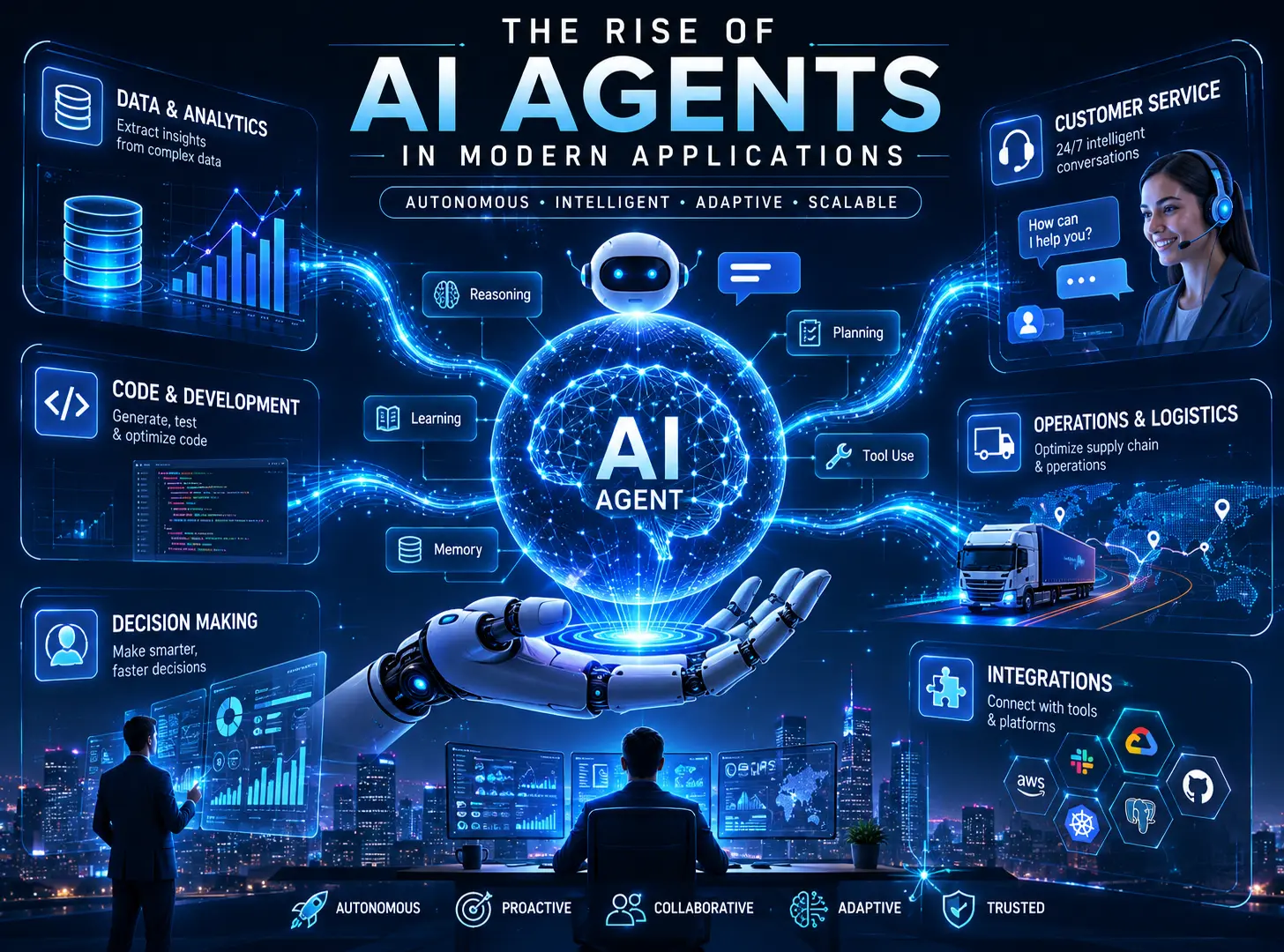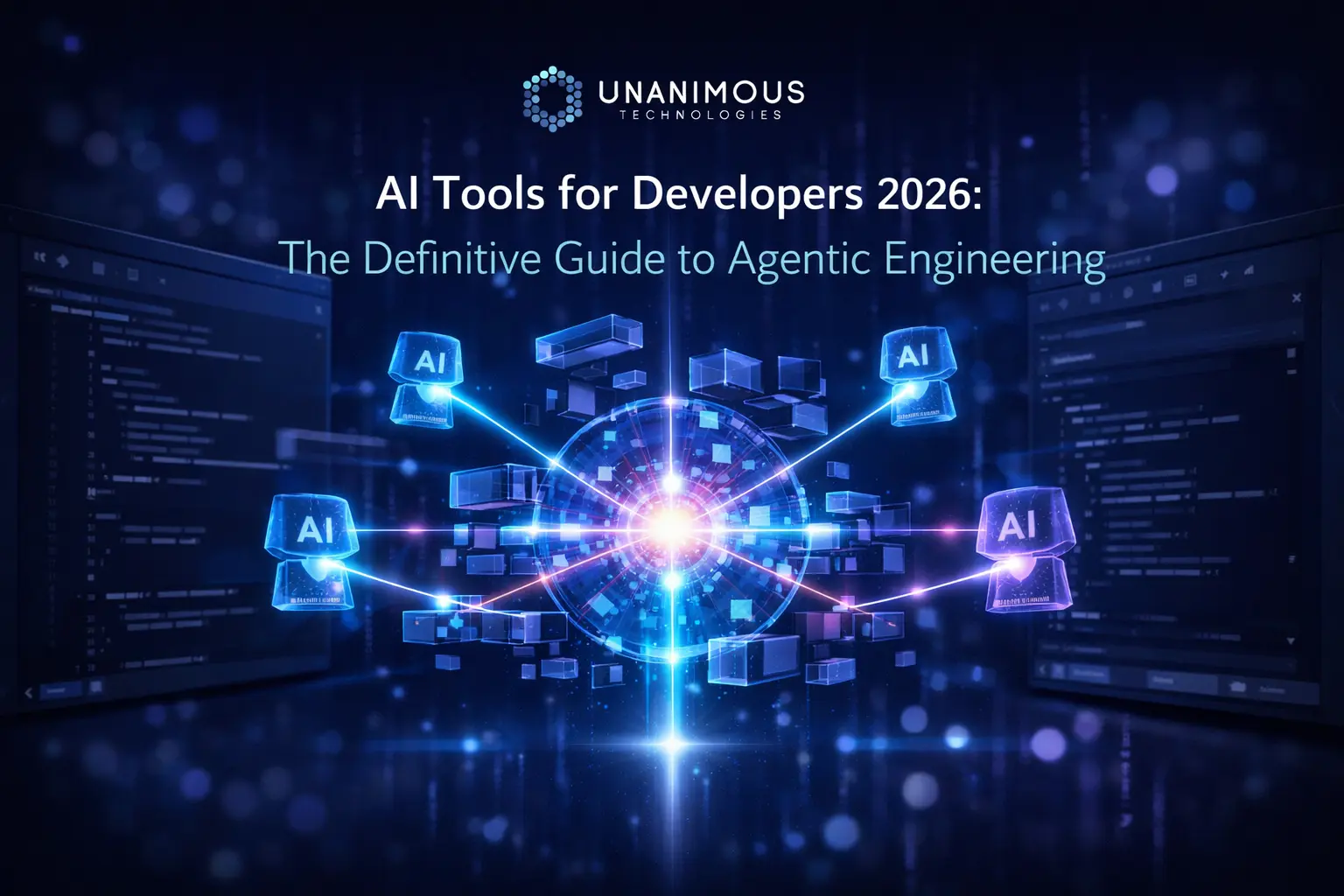
In the rapidly evolving landscape of software engineering, identifying the right AI Tools for Developers 2026 is no longer a luxury—it is a baseline for survival. At Unanimous Technologies, we have tracked the evolution from simple autocomplete plugins to the current “Agentic Era.” In this new paradigm, AI agents don’t just suggest snippets; they reason through repositories, manage infrastructure, and self-heal production environments.
For the modern developer, staying relevant means mastering a new stack—one where human intuition is the conductor of a high-performance AI orchestra. This 2000-word deep dive explores the essential AI Tools for Developers 2026 and how to integrate them into a cohesive, “unanimous” workflow that balances speed with architectural integrity.
1. The Evolution of the IDE: From Text Editor to Reasoning Hub
In 2026, the Integrated Development Environment (IDE) has transformed. It is no longer a passive tool but an active collaborator that maintains a “mental model” of your entire system architecture. When looking for the best AI Tools for Developers 2026, the IDE is where the most significant gains in “Flow State” occur.
Cursor: The Leader in Repo-Wide Intelligence
Cursor remains the gold standard for AI-native development. While it began as a VS Code fork, it has surpassed the original by deeply embedding LLMs into the core editor logic.
- The 2026 Edge: Cursor’s “Composer” mode now supports Shadow Workspaces. When you ask for a feature, the AI simulates the changes in a background environment, runs the build, and only presents you with the diff once it confirms the code compiles and passes local checks.
- Unanimous Tip: Use Cursor for “Context-Heavy Refactoring.” Its ability to understand the relationship between a React frontend and a Go backend in the same monorepo is unmatched.
Windsurf and the Flow State
Windsurf, the agentic IDE by Codeium, focuses on predictive context. It uses a proprietary context-awareness engine that predicts your next three moves. By 2026, its Cascade feature allows it to act as an autonomous agent that stays “in sync” with your thoughts, pre-fetching documentation and suggesting architectural patterns before you even start a new module.
Zed: Performance Meets Intelligence
For developers who prioritize raw speed, Zed has become the high-performance alternative. Written in Rust, Zed leverages GPU acceleration for its AI features, ensuring that even with a million-token context window, the editor never lags. Its native support for Multi-Model Orchestration allows you to use Claude 4.5 for logic and GPT-5 for documentation simultaneously.
2. Autonomous AI Software Engineers: Beyond Autocomplete
The most significant shift in the world of AI Tools for Developers 2026 is the maturity of Autonomous Agents. These tools don’t just help you write a function; they take a high-level requirement and execute the entire engineering lifecycle.
Devin: The First Digital Coworker
Cognition’s Devin has evolved from a viral demo into a robust enterprise tool. In 2026, Devin is used by teams at Unanimous Technologies to handle “Tier 3” tasks—clearing technical debt, upgrading legacy dependencies, and migrating frameworks.
- Capabilities: Devin can browse the web to read updated API docs, debug its own environment, and even “interview” other APIs to understand their integration requirements.
- SWE-bench Performance: Leading agents in 2026 now consistently score above 80% on the SWE-bench Verified benchmark, solving real-world GitHub issues with minimal human oversight.
Claude Code: The Terminal Powerhouse
Anthropic’s Claude Code is the choice for CLI enthusiasts. Operating directly in the terminal, it has “Agentic Control” over your file system and git workflow.
- Key Command: $ claude “Refactor our auth logic to use OIDC and update all middleware.”
- It will plan the change, create a new branch, execute the code edits, run the tests, and prepare the Pull Request—all while you grab a coffee.
3. AI-Powered DevOps and “Self-Healing” Infrastructure
DevOps in 2026 is less about writing YAML and more about defining Intent-Based Infrastructure. As teams scale, these AI Tools for Developers 2026 focus on reducing the cognitive load of cloud management.
Harness & Spacelift: The Autonomous Pipeline
Modern CI/CD platforms now utilize Predictive Deployment. Tools like Harness AI analyze historical deployment data to predict the risk of a new release. If a deployment is flagged as high-risk, the AI automatically inserts additional canary tests or requires manual architectural sign-off.
Kubiya: The Conversational DevOps Agent
Kubiya allows developers to manage Kubernetes clusters via Slack or CLI using natural language.
- “Kubiya, why is the staging namespace under heavy load?”
- The agent doesn’t just show logs; it correlates Sentry errors with recent GitHub commits and suggests the specific line of code causing the memory leak.
4. Quality Assurance: The Death of Manual Testing
By 2026, the “Shift-Left” movement has been fully automated. AI agents now author 90% of unit and integration tests, making them essential AI Tools for Developers 2026.
Qodo (formerly CodiumAI): Intent-Aware Testing
Qodo doesn’t just look at code coverage; it looks at Logic Coverage. It identifies edge cases in your business logic that traditional “happy path” tests would miss. In 2026, it features “Self-Healing Test Suites”—if you change a UI component, the AI automatically updates the corresponding Playwright or Cypress tests to reflect the new DOM structure.
BlinqIO: Virtual QA Engineers
BlinqIO provides “Human-in-the-Loop” autonomous QA. It uses computer vision to “see” your application exactly as a user does, catching visual regressions and accessibility violations that code-based scanners often overlook.
5. Architectural Intelligence and Documentation
At Unanimous Technologies, we believe that code is only as good as the architecture behind it. 2026 has introduced a new category of tools: Architectural Reasoning Engines.
Levo.ai: Living Documentation
Documentation drift is a thing of the past. Levo.ai uses eBPF (Extended Berkeley Packet Filter) to observe live production traffic and automatically generate real-time API maps and documentation. If an undocumented header is added to a request, Levo detects it and updates the documentation instantly.
Mintlify: The AI-Native Developer Portal
Mintlify has become the industry standard for documentation. Its 2026 update includes “Interactive Execution.” Users can ask the documentation a question, and the AI will generate a custom code snippet tailored to the user’s specific tech stack and environment variables.
6. The Unanimous Framework: Integrating AI Tools for Developers 2026
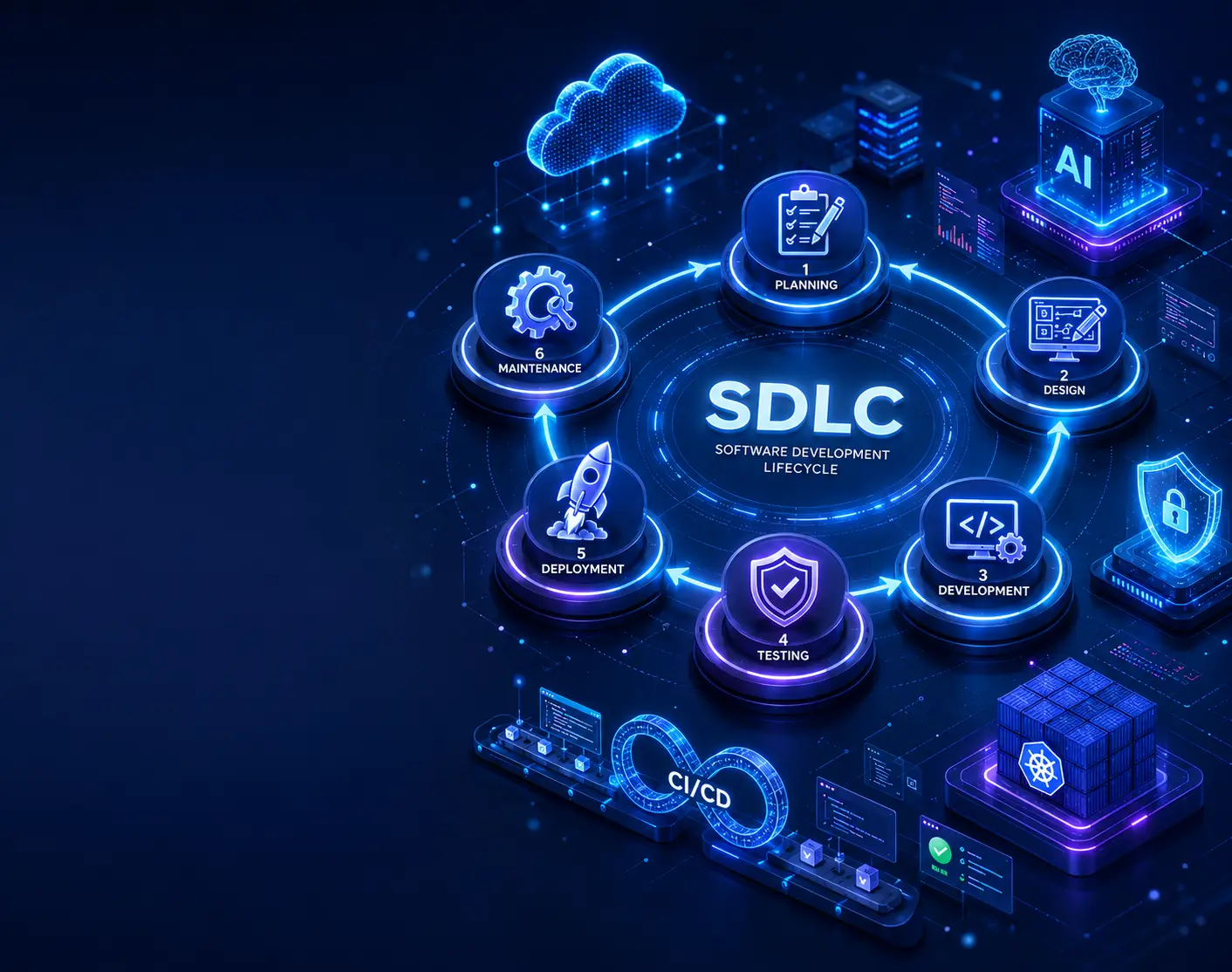
Using these tools in isolation is a mistake. The real power comes from Unanimous Integration. Here is how a high-performing team in 2026 structures their workflow using the best AI Tools for Developers 2026:
Step 1: Ideation & Planning (Claude 4.5 + Jira)
AI agents analyze the backlog and user feedback to suggest the most impactful features. They generate “Technical Design Documents” (TDDs) that include database schema changes and API contracts.
Step 2: Autonomous Implementation (Devin / Claude Code)
The TDD is handed to an autonomous agent. The agent builds the feature, adhering to the team’s shared “Style Guide Agent” to ensure code consistency across the codebase.
Step 3: Automated Review & Security (Snyk + GitHub Copilot)
Before a human ever sees the code, Snyk scans for vulnerabilities and GitHub Copilot’s Reviewer checks for architectural alignment. If the code diverges from established patterns, the AI requests a refactor automatically.
Step 4: Predictive Deployment (Harness)
The code is moved to production only after the AI verifies that the deployment won’t negatively impact performance metrics or cloud costs.
7. Security and Ethics in the Age of AI Code
As AI authoring becomes the norm, AI Governance is the most critical skill for 2026.
- Code Provenance: Tools like Snyk and Checkmarx now provide “AI Origin” tracking, ensuring that machine-generated code doesn’t violate open-source licenses.
- Prompt Injection Defense: For teams building AI into their own apps, Guardrails.ai has become essential for preventing users from manipulating the underlying LLM logic.
8. Summary Table: Top AI Tools for Developers in 2026
| Category | Recommended Tools | Primary Value Proposition |
| IDE / Coding Hub | Cursor, Windsurf, Zed | Repo-wide reasoning and zero-latency flow. |
| Autonomous Engineers | Devin, Claude Code | Fire-and-forget task execution from Jira to PR. |
| Testing & QA | Qodo, BlinqIO | Logic-aware test generation and self-healing. |
| DevOps / AIOps | Harness, Kubiya | Predictive scaling and conversational infra. |
| Security | Snyk, Checkmarx | Real-time patching of AI-generated vulnerabilities. |
| Documentation | Mintlify, Levo.ai | Automated, traffic-synced developer portals. |
The Path Forward: Becoming an AI Architect
The role of the developer has shifted. In 2026, the most valuable engineers are those who understand System Orchestration. You are no longer just a “coder”; you are a Technical Director, guiding multiple AI agents to build complex, secure, and scalable systems.
At Unanimous Technologies, we help teams navigate this transition. These AI Tools for Developers 2026 are more than just productivity boosters—they are the building blocks of the next generation of software.
Ready to Future-Proof Your Team?
The “Agentic Era” waits for no one. At Unanimous Technologies, we specialize in integrating these cutting-edge AI Tools for Developers 2026 into enterprise workflows without compromising security.
Don’t just keep up—lead the change.