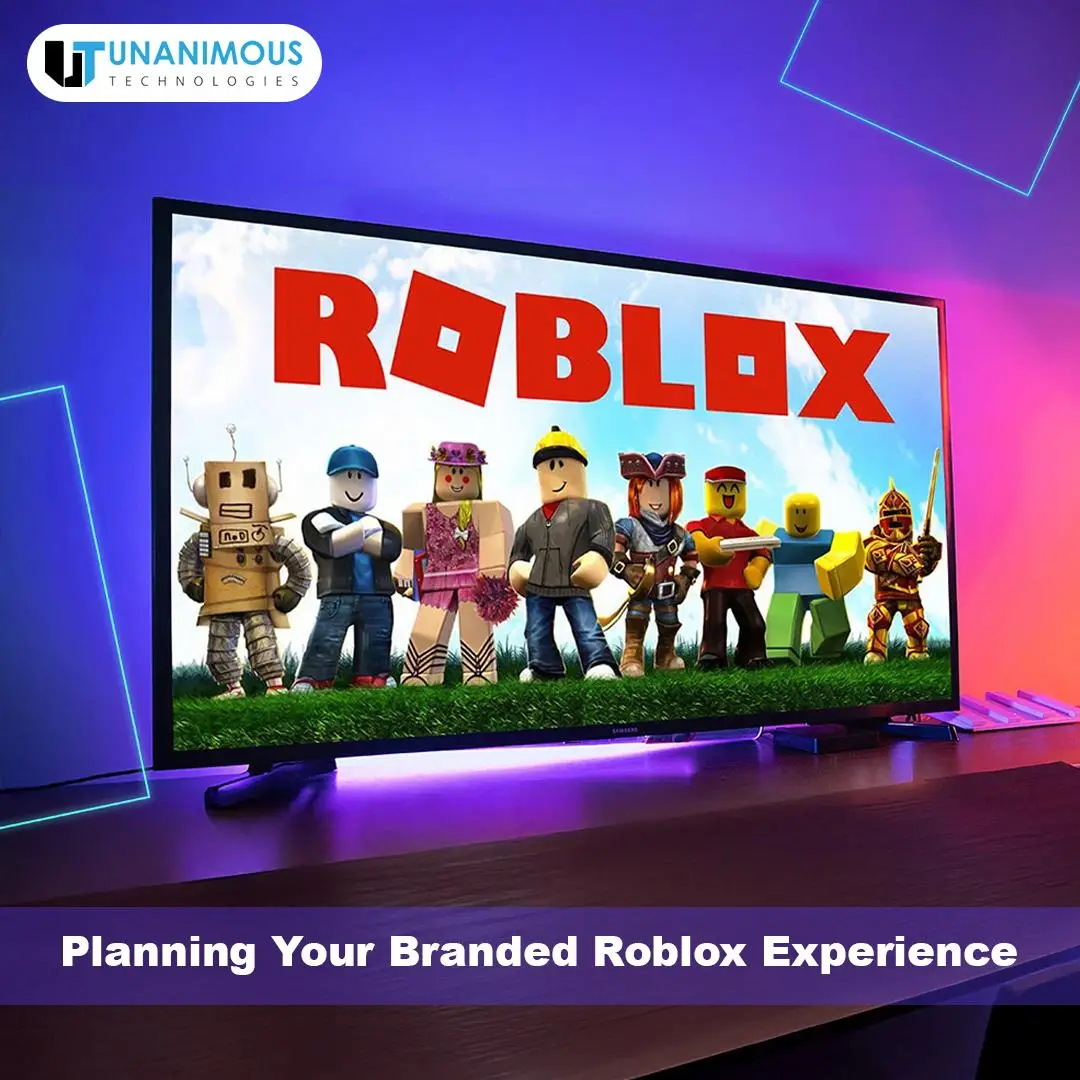
Roblox is no longer a fringe platform. With over 85 million daily active users, it has become a central space where Gen Z and Gen Alpha connect, learn, and express themselves online. For brands, simply placing a logo or sponsoring a mini-game isn’t enough. To truly make an impact, you need a well-thought-out strategy, creative execution, and a data-driven approach.
This article explains how to successfully create a branded experience on Roblox –from setting clear objectives and choosing the right development team to using analytics to measure and improve performance.
Building an Effective Brand Experience on Roblox
The most successful brand activations on Roblox aren’t traditional ads –they’re immersive, interactive experiences. To truly connect with users, your brand needs to become part of their world in a way that feels authentic, engaging, and valuable.
Here’s how to plan a strong, results-driven presence on the platform:
- Define Your Objectives
Start by identifying what success looks like. Are you aiming to boost brand awareness, drive real-world purchases, collect first-party data, or build long-term loyalty? Clear KPIs will guide every creative and technical decision.
- Understand Your Audience
Know who you’re speaking to. Are you targeting younger kids (under 13), older teens, or even Millennial shoppers? Your audience will shape the tone, theme, gameplay mechanics, and even compliance requirements. - Choose the Right Experience Format
Options include:
- Persistent branded worlds (e.g., Gucci Town)
- Limited-time events (e.g., Chipotle’s Boorito Maze)
- Integrated game partnerships
- UGC fashion campaigns and avatar item drops
- Phygital stores that link to real-world products
- Partner with the Right Developers
Roblox experiences are built using Lua scripting, 3D modeling, and native tools. Work with certified Roblox developers or studios to ensure quality, creativity, and compliance with platform safety standards. - Design the Player Journey
Plan how users enter, interact, and stay engaged. Will the experience include quests, collectible items, progression features, or unlockable content? A strong “core loop” keeps users coming back. - Reward Engagement
Offer digital tokens, badges, or exclusive avatar items to encourage sharing and repeat visits. Branded UGC items users can wear across games are especially effective. - Enable In-Game Commerce (Optional)
For fashion, beauty, and retail brands, consider integrating real-world product sales using Shopify’s Roblox commerce API. This bridges discovery and purchase within the experience. - Leverage Analytics
Use platforms like CreatorExchange.io to monitor metrics like session duration, unique visits, return rate, and conversions. These insights are essential for optimizing and scaling your experience.
Real-World Brand Wins on Roblox
- e.l.f. Up! – Financial Literacy Game
Instead of promoting makeup, e.l.f. Beauty introduced a mini-game centered around financial literacy, taking a fresh and unconventional approach. Players earned rewards by making smart budgeting decisions. The experience attracted over 22.1 million visits and received strong positive feedback for its educational and engaging format. - Tommy Hilfiger’s Tommy Play
Tommy Hilfiger teamed up with Roblox UGC creators to co-create branded clothing and organize music-based activities within their virtual environment. The experience stood out for its authenticity and community-driven approach, earning praise for blending brand identity with creator culture. - Walmart’s Universe of Play
Walmart developed a virtual toy store designed for families, drawing inspiration from its holiday catalog. Players could explore, play with toys, and even purchase real products –all within Roblox. It was a smart mix of entertainment and phygital shopping that resonated with families. - Nike’s NIKELAND
Nike launched a persistent branded world where users took part in sports challenges, customized digital sneakers, and interacted with real-world product tie-ins. NIKELAND became a dynamic space for engagement and a direct path to merchandise discovery.
Key Takeaways
- Start with clear business goals before jumping into design or development.
- Choose an experience format that aligns with your audience and budget.
- Partner with experienced Roblox developers or studios to ensure quality and safety.
- Focus on making the experience fun, fair, and rewarding to keep users coming back.
- Use built-in analytics tools to track performance and improve over time.
Conclusion
Roblox offers a powerful opportunity to reach digital-native audiences –but success doesn’t happen by chance. The most impactful branded experiences are the ones that feel seamless, engaging, and centered around the player. When storytelling, gameplay, and brand identity come together with intention, the result is something users want to return to.
With a clear strategy –from planning to launch to ongoing updates –your brand can stand out in a meaningful, authentic way.
What’s Next?
If your brand is ready to make a move on Roblox, start by getting clear on your goals and choosing the right type of experience to match. Partner with experienced developers, and use tools like CreatorExchange.io to track and refine your campaign as it evolves.
In our next blog, we’ll dive into how creative storytelling and smart gamification can take your branded Roblox experience to the next level.
FAQs
Q1. How long does it take to build a Roblox brand experience?
A1. A simple branded minigame can take 4–6 weeks, while persistent worlds with full gameplay loops may take 3–6 months.
Q2. Can I update my Roblox experience after launch?
A2. Yes. Roblox supports live ops –post-launch updates to add new features, fix bugs, or introduce seasonal content.
Q3. What’s the best way to promote a new Roblox experience?
A3. Use Roblox’s in-game ad system, influencer partnerships, YouTube trailers, and push through your brand’s social channels.
Q4. How much does development cost?
A4. Costs vary depending on complexity. Smaller games may range from $10K–$50K, while persistent branded worlds can exceed $250K.
Q5. Does the Roblox platform support the collection of user data?
A5. Yes. While privacy rules apply, tools like CreatorExchange.io help track user behavior and session data to inform ROI.